When touching becomes travel
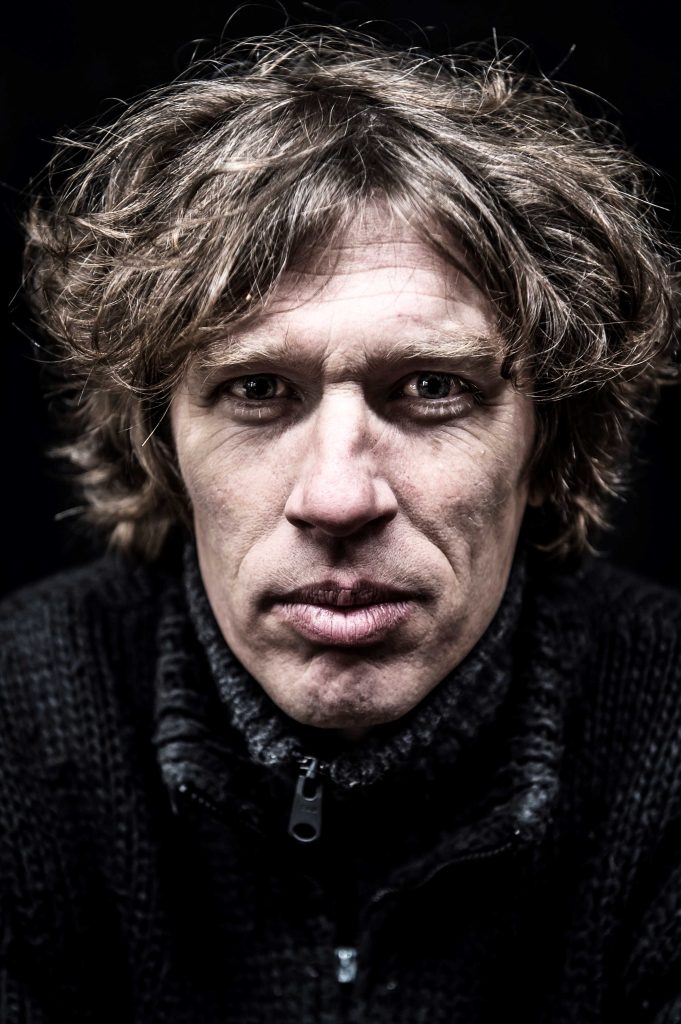
In the oeuvre of Bartholomeus DC, playfulness stands alongside craftsmanship, experimentation alongside perseverance, discovery alongside journey. In his sculptures, drawings, ceramic objects, and installations, the artist steadily seeks the relationship between the world and himself. His inner world serves as a mirror to the viewer, in which the urge to create is great.
His work can be seen as a constant movement, where the process takes precedence in both the smallest actions and in the way his works grow and develop over time. A continuous stream of ideas, musings, and daydreams forms his greatest source of inspiration and influences the dynamic energy that is so characteristic of the artist and his work.
Born into an artistic family—his father and sister are also artists—Bartholomeus DC focused primarily on classical sculpture at the beginning of his career: portraits and figures in clay and plaster. In recent years, however, he has increasingly distanced himself from mimesis in search of freedom. In this way, his work no longer needs to perfectly mimic the observable; recognition is allowed, but it is not mandatory. His sculptures become a sensory interpretation of reality as he experiences it.
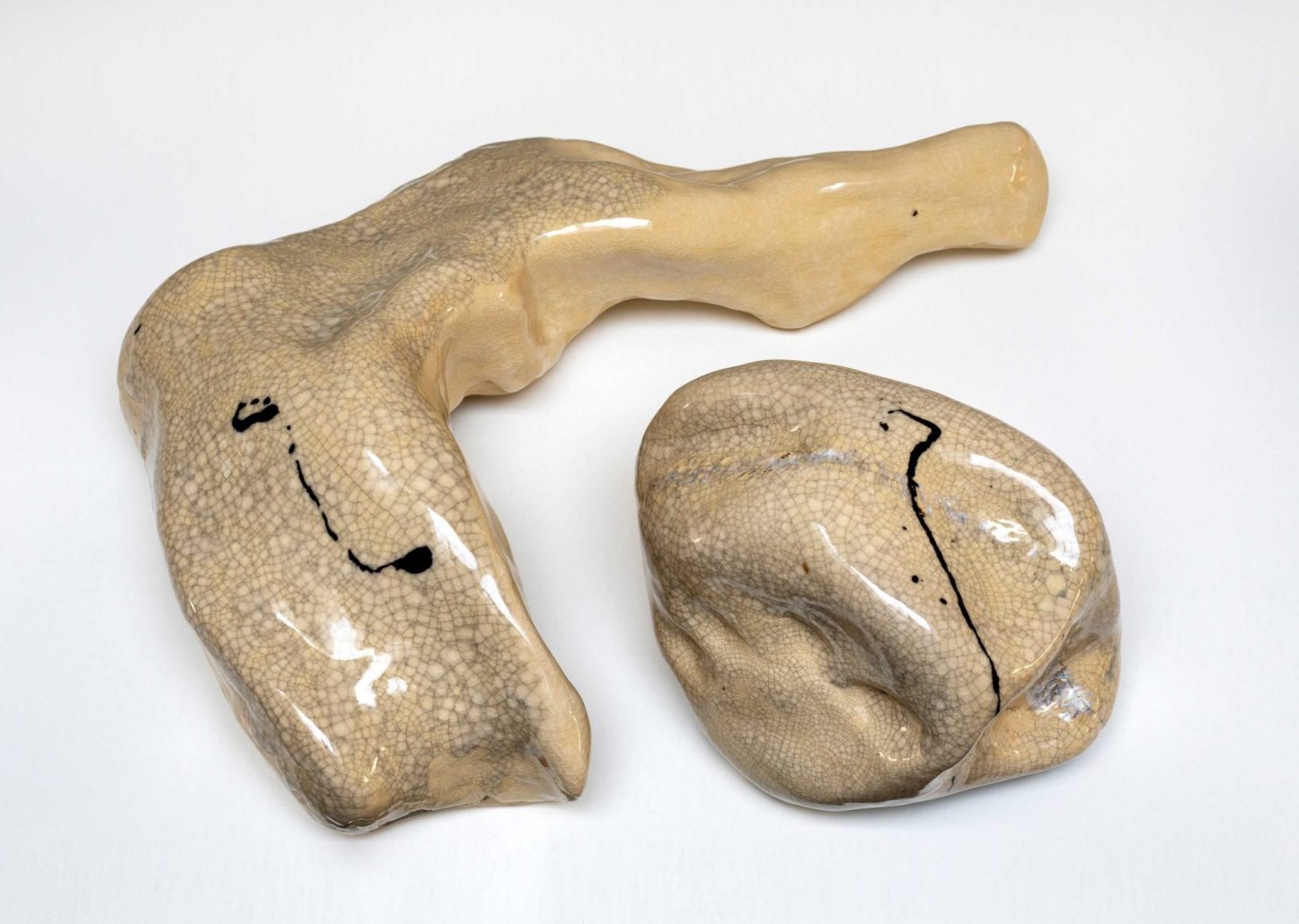
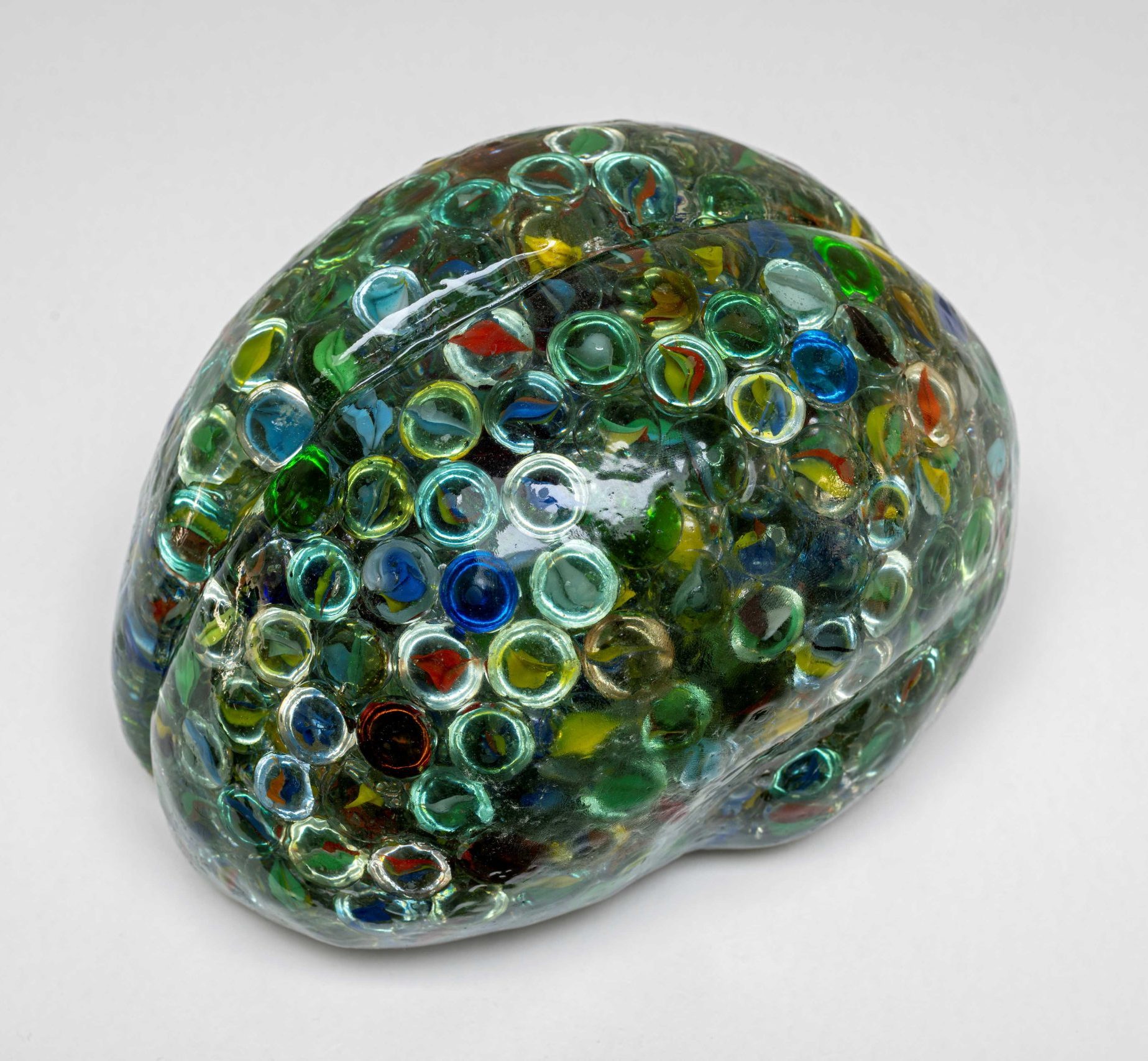
Bartholomeus DC prefers to let his fingers find their way into the clay, allowing himself to be guided by his feelings to connect with what he himself calls his dark side. Working through the material satisfies his hunger for touch and simultaneously transforms his dark thoughts into something seductive and tactile, after which he can let them go.
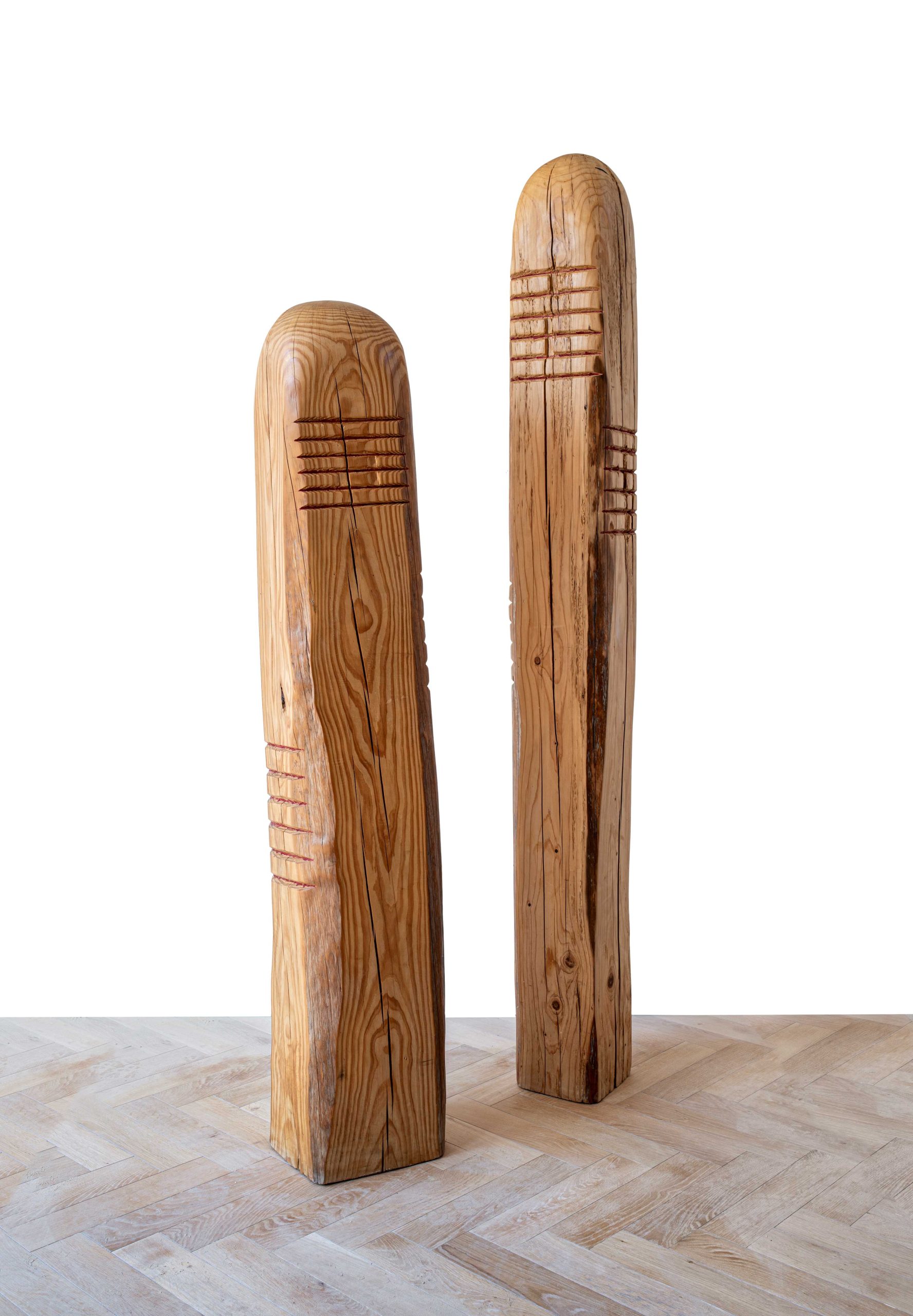
When working in wood or stone, too, it is important for Bartholomeus DC to be in contact with the material. In his abstract organic sculptures, which draw on the visual language of artists such as Barbara Hepworth and Henry Moore, he dissects the pure form in all its simplicity. Veins and cracks evoke a mystery for him that he obsessively tackles with tools in the search for the essence of the material and the form. He works until the moment he feels that the artwork conveys exactly what he had in mind. The artist calls this the point at which the power of touch is greatest.
He has great understanding for people who say they constantly want to touch his work; according to him, the deeper interpretation is a highly personal realization. Therefore, he prefers not to provide any further explanation of his work.
In addition to the tactile, experimentation is also central to all of Bartholomeus DC’s work.
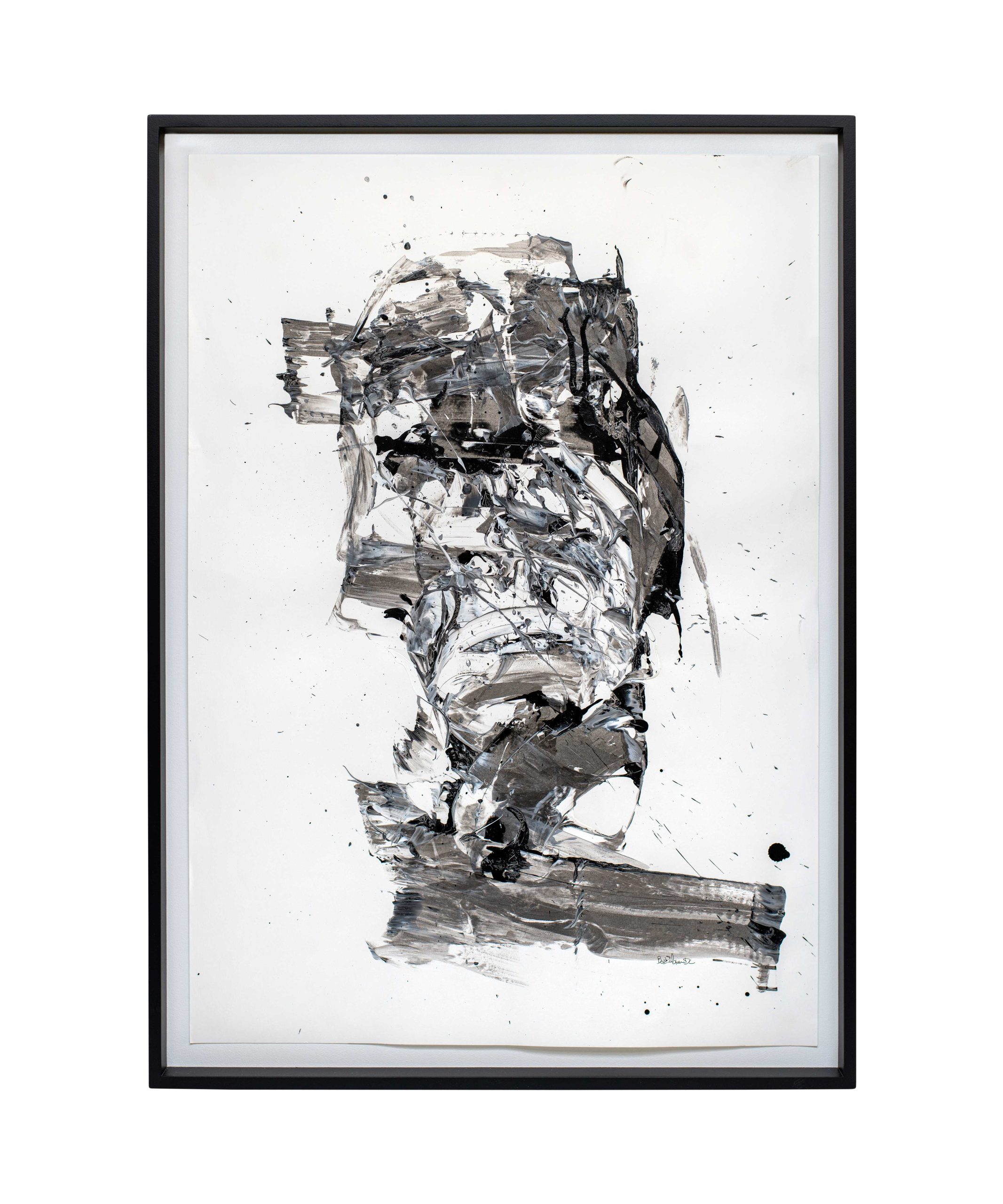
His graphic drawings emerge intuitively, driven by music and movement, often on old wallpaper. It is the power of the action combined with the traces of wear on the support that lends the drawings an extra dimension.
In his presentations, he explores new ways of displaying; the works lie, stand, or hang, are static, or move through space. The artist also uses ceramic techniques to constantly venture down unknown paths. The familiar paths are often not interesting enough for him.
Bartholomeus DC allows chance to play a major role, including in his installations. In his studio, his works stand side by side with curiosities, all kinds of finds from flea markets or received from the artist’s friends. He arranges and rearranges these objects, in search of the right composition, of the greatest expressive power.
Serendipity, or fortunate coincidence, is the gift with which Bartholomeus DC plays, in which his focus is unconsciously conscious. The results are, just as in his entire oeuvre, both surprising and authentic.
© Carmen van Geffen